Before the Lights Go Off: Workers Who Document Their Closing Workplaces Down to the Last Detail
The employee handbook said nothing about the coffee. It never does. But at a particular Midwestern bookstore chain location that shuttered in early 2023, there was an unwritten rule that had been in place for at least a decade: whoever opened on Sunday made the first pot with two extra scoops, because the morning shift was always short-staffed and everyone needed the help. Nobody wrote it down. It was just known.
Until one closing-shift supervisor decided it should be written down. Along with approximately 200 other things.
The Impulse to Record
There's a specific kind of grief that comes with a workplace closure that's different from losing a job. The job loss is personal. The closure is something else — a whole ecosystem of small knowledge, accumulated habit, and shared shorthand that evaporates the moment the last person walks out. Most of that knowledge never existed anywhere official.
A loosely connected group of retail and restaurant workers has started doing something about that. When closure announcements come — and in the current retail climate, they come often — some employees shift into documentation mode. Photographs of break room bulletin boards. Handwritten transcriptions of verbal training protocols that were never formally recorded. Lists of regular customers with notes about their preferences. The actual way the POS system was worked around when it glitched, versus the official procedure that nobody used because it didn't work.
One former Sears employee, who spent 22 years at a location that closed in 2020, compiled what she calls a "texture document" — her term — running to nearly 80 pages. It covers everything from the specific order in which the stockroom was organized (different from corporate guidelines, evolved organically over decades) to the informal hierarchy of the break room refrigerator. "Corporate Sears is documented everywhere," she said. "Nobody was documenting us."
What Official History Misses
This is the gap these informal archivists are filling, whether they think of it that way or not. Business history tends to record what companies did. It rarely captures what it was like to work there on a Tuesday.
Oral historians and labor researchers have long argued that this ground-level texture is irreplaceable — and irretrievably lost once the people who lived it disperse. The unwritten rules of a workplace, the informal accommodations made for longtime employees, the specific way a particular manager ran a shift: none of that lives in any filing cabinet. It lives in people, and people move on.
Some of the documentation that's emerged from closing workplaces has ended up in genuinely unexpected places. A former Toys R Us employee in New Jersey compiled a detailed account of the store's final weeks — including internal communications, floor layout photographs, and a written record of customer interactions during the liquidation — that was later cited in a piece of academic work on retail decline. She hadn't intended it as a primary source. She'd just wanted to remember.
The Rituals Worth Saving
Ask anyone doing this what they focus on first and the answer is usually the rituals. Not the official procedures, but the real ones. The way a particular restaurant's kitchen crew handled the pre-close cleanup. The specific handoff language used between shifts at a 24-hour pharmacy. The birthday card protocol at a regional insurance office — who signed first, whether the manager signed or waited, where the envelope was hidden.
These things sound trivial. They're not. Rituals are how workplaces build cohesion, mark time, and acknowledge the people doing the work. They're also completely invisible to anyone who wasn't there.
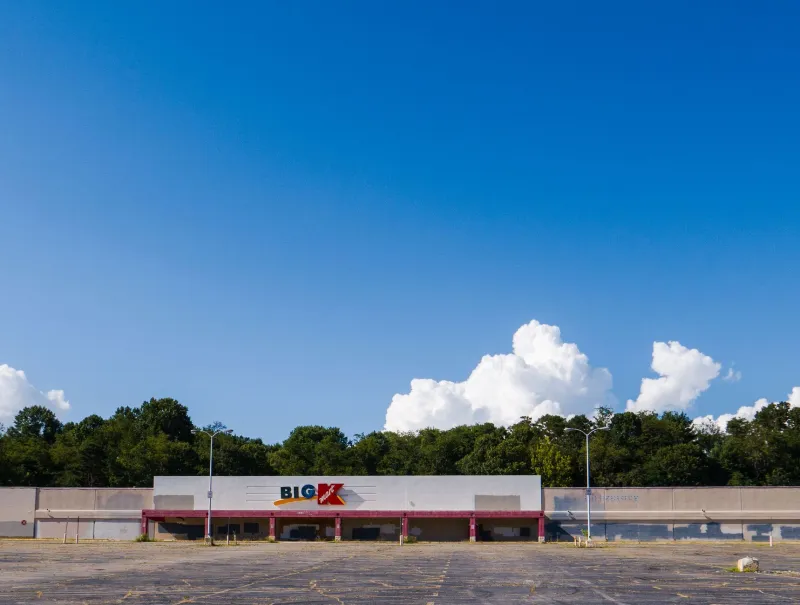
A former Kmart employee in rural Alabama spent her last two weeks of employment photographing every piece of paper posted anywhere in the building — safety notices, handwritten reminders, a laminated sign above the time clock that had been there since at least 1994 based on the font. "That sign was older than some of the people I worked with," she wrote in a forum post. "It deserved a photograph."
The Archive That Doesn't Have a Home
Here's the uncomfortable part: most of this documentation doesn't go anywhere formal. It sits on personal hard drives, in private Google Docs, in photo rolls on phones that will eventually be replaced. The people making these records aren't connected to archives or libraries in most cases. They're just workers who felt like something mattered enough to write down.
A few organized efforts have tried to change that. Some labor history organizations have started actively soliciting this kind of material, particularly from retail workers facing mass closures. The response, when workers know the ask exists, has been significant. People have been waiting to be asked.
But most of the time, nobody asks. The store closes. The employees scatter. The Sunday coffee protocol, the refrigerator hierarchy, the laminated sign above the time clock — they exist only in the memory of people who are already thinking about their next job.
Some of them wrote it down anyway. That's the whole story, really.