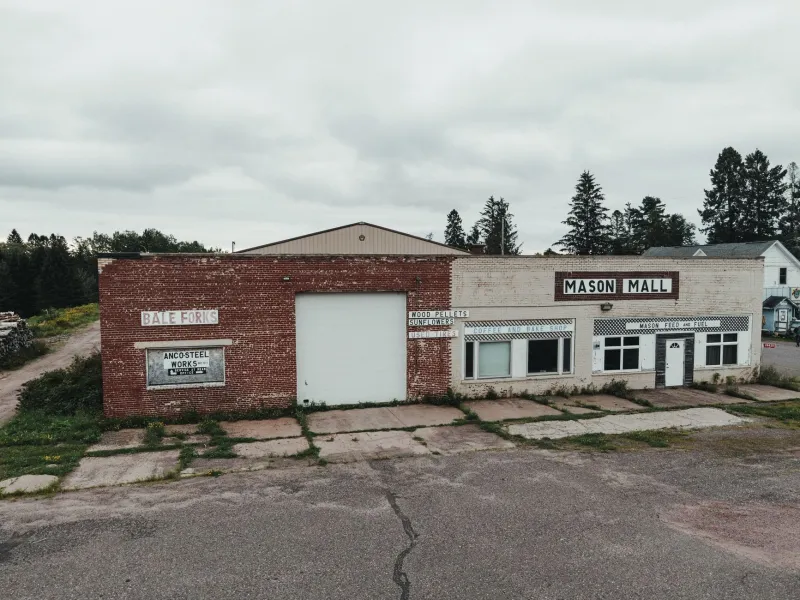
Address by Address, They're Rebuilding the Map of Every Chain Restaurant America Quietly Buried
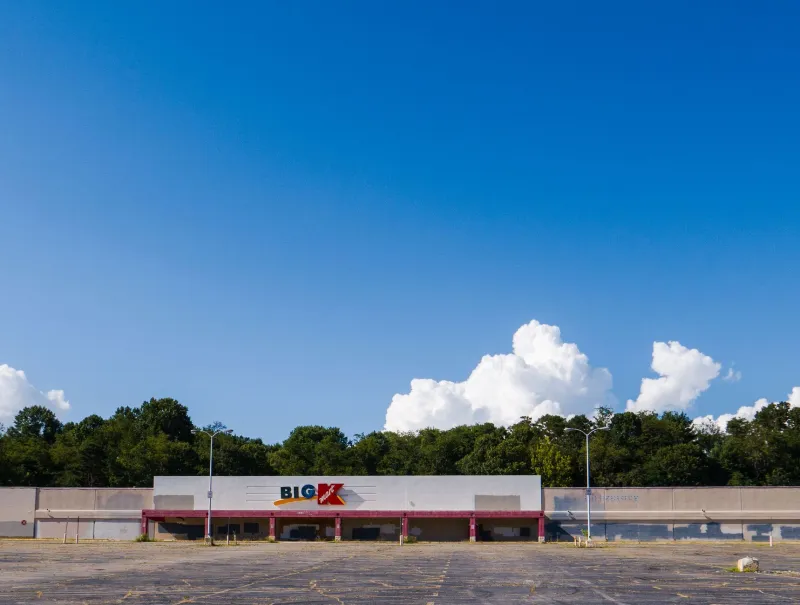
There's a Verizon store in Dayton, Ohio, that used to be a Frisch's Big Boy. Before that, it was a different Big Boy. The parking lot configuration is basically the same. If you know what to look for — the slight elevation of the lot, the way the drive-through lane was paved over but not quite erased — you can still feel the ghost of it.
Most people don't look for it. But a small, loosely networked group of amateur researchers absolutely does.
The Database Nobody Asked For (But Someone Built Anyway)
Call them what you want — spreadsheet hobbyists, culinary archaeologists, obsessive lunch historians. They don't have an official name. What they do have are meticulously maintained databases tracking the exact former locations of regional restaurant chains that quietly vanished from the American map over the past five decades.
We're not talking about McDonald's closures or the occasional Applebee's that got turned into a Spirit Halloween. We're talking about the regional stuff. The Sambo's locations across the Southeast. The Lum's hot dog chains that once dotted the mid-Atlantic. The Rustler Steakhouse footprint. The entire Rax Roast Beef empire, which at its peak had over 500 locations and is now reduced to a single surviving store in Ohio and an extremely dedicated online following.
These researchers cross-reference old phone books — actual physical phone books, sourced from library archives and estate sales — against county property records, Sanborn fire insurance maps, and the fading recollections of people who actually ate at these places. They post their findings in niche Facebook groups, Reddit threads, and forums that most people would never stumble across unless they were specifically looking.
The Methodology Is Weirder Than You'd Expect
Ask one of these people how they verify a location and prepare for a surprisingly detailed answer.
Old Yellow Pages directories are a starting point, but they're unreliable — chains sometimes listed regional offices instead of individual locations, and small-town restaurants often skipped directory listings entirely. Cross-referencing with newspaper archives is more reliable. A grand opening ad in a 1974 edition of a local paper, digitized and searchable through a state library database, can confirm an address with real precision.
Property records add another layer. Many counties have digitized their deed transfer histories going back decades, and a restaurant chain selling a property in, say, 1989 leaves a paper trail. Combine that with Google Street View's historical imagery — which in some corridors goes back to 2007 or earlier — and you can sometimes watch a building transition from chain restaurant to nail salon to vacant lot across a fifteen-year slideshow.
Some researchers even use aerial photography archives. The USGS Earth Explorer database has imagery going back to the 1940s in some regions, and a trained eye can spot a former Howard Johnson's footprint from the shape of the structure alone.
What the Patterns Actually Reveal
Here's where it gets interesting, and a little uncomfortable.
When you start plotting these closures on a map — not just which chains died, but where their locations died first — some pretty clear patterns emerge. Rural communities and smaller industrial towns lost their regional chain restaurants earlier and faster than suburban corridors. Places that lost manufacturing jobs in the late 1970s and early 1980s often saw their local chain restaurants close within a few years of the economic contraction, before the national conversation about deindustrialization had really begun.
In some of these towns, the regional chain restaurant wasn't just a place to eat. It was the gathering place — the spot where high school sports teams went after games, where families held birthday dinners, where a first job in food service was a plausible option. When those locations closed, they weren't replaced by anything equivalent. The space became a dollar store, a payday loan shop, or nothing at all.
That's not a political observation, exactly. It's a geographic one. And it's the kind of thing that only becomes visible when someone bothers to map it.
The Rax Rabbit Hole
If you want a case study in how deep this research can go, spend an afternoon with the Rax documentation community. Rax Roast Beef was a legitimate competitor to Arby's throughout the 1980s before a series of strategic misfires — including a bizarre attempt to rebrand around a character called Mr. Delicious — sent the chain into freefall. By the mid-1990s, most locations were gone.
But the researchers tracking former Rax sites have cataloged hundreds of locations with what can only be described as forensic thoroughness. Former addresses, confirmed closure years, what the building became afterward, whether the original structure still stands. There are documented cases of former Rax locations that became Arby's — the poetic justice of which is not lost on anyone involved.
The lone surviving Rax, in Lancaster, Ohio, has been visited and documented more times than most functioning restaurants twice its size. It's become a kind of pilgrimage site for people who are, in some hard-to-articulate way, mourning something larger than a roast beef sandwich.
Why Bother?
It's a fair question. These researchers aren't getting paid. The databases they build don't feed into any official historical record. Most of them will tell you, if you ask directly, that they started doing this because they were curious about one specific thing — one restaurant they remembered from childhood — and then couldn't stop.
There's something in that compulsion worth taking seriously. The official historical record tends to document what was considered important at the time. Regional chain restaurants weren't considered important. They were considered fast food infrastructure, disposable by design. Nobody archived their menus systematically, nobody photographed their interiors before demolition, nobody logged their locations for posterity.
So if that history exists anywhere, it exists in these spreadsheets. Maintained by people who decided, for whatever private reason, that this was worth knowing.
The Verizon store in Dayton doesn't know it used to be a Big Boy. But someone has it logged, with dates, in a shared document that anyone can find if they know where to look.