Strike Anywhere: The Quiet Obsessives Rescuing America's Defunct Hotel Matchbooks Before the Last One Burns Out
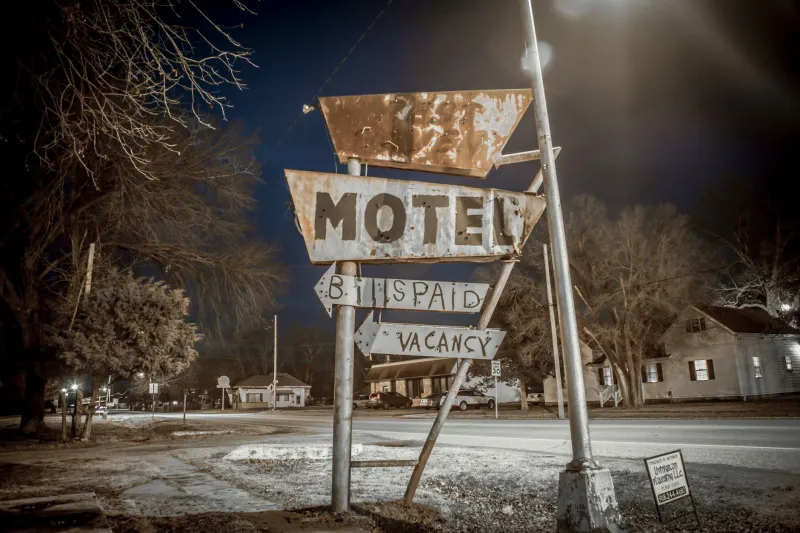
There's a particular kind of sadness that comes with holding a matchbook from a hotel that burned down in 1974. The irony isn't lost on the people who collect them.
Across the country, in climate-controlled spare bedrooms and labeled archival binders, a loosely connected network of matchbook enthusiasts — some call themselves phillumenists, though most just say "collectors" — are quietly hoarding the promotional ephemera of mid-century American hospitality. Specifically: the matchbooks. Tens of thousands of them, sourced from estate sales, flea markets, antique malls, and the occasional desperate eBay listing at 11 p.m. on a Tuesday.
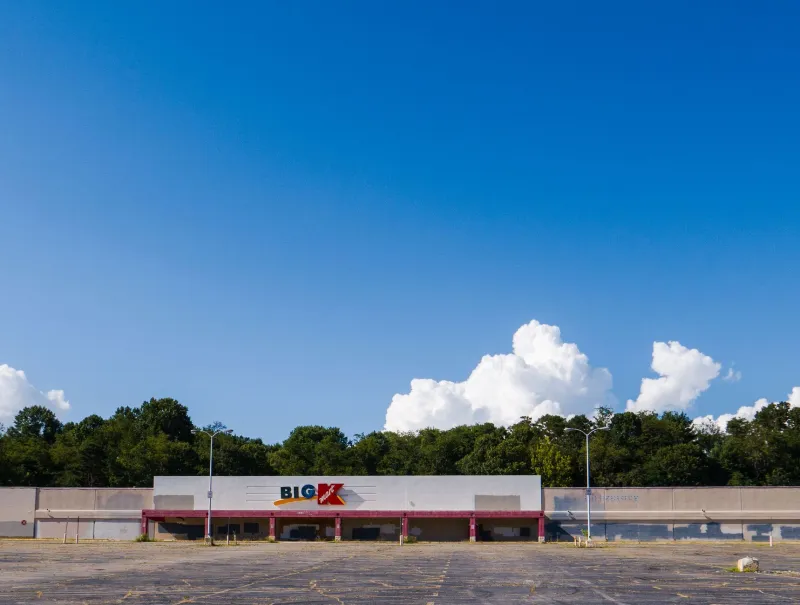
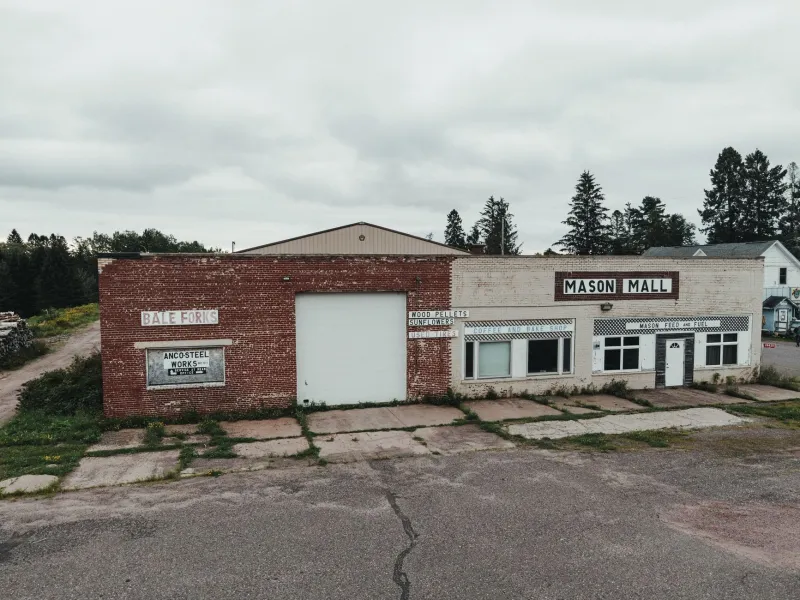
The hotels they advertise? Almost entirely gone.
What a Matchbook Actually Was
Before you can understand why people collect these things, it helps to remember what they were for. From roughly the 1930s through the 1980s, promotional matchbooks were one of the cheapest and most effective forms of advertising a small business could buy. A motel off Route 66 in Flagstaff could print ten thousand matchbooks for almost nothing, leave them in ashtrays at the front desk, and essentially hand every guest a tiny billboard they'd carry around in their pocket for weeks.
The design real estate was tiny — a front flap, a back cover, maybe an inside panel — but businesses used every inch. You'd get the hotel name in bold, maybe a stylized illustration of the property, a phone number with only five digits (a detail that dates a matchbook faster than almost anything else), and sometimes a slogan that nobody remembers but somebody clearly spent an afternoon writing.
For chains like Holiday Inn, Howard Johnson's, or the regional motor lodge dynasties that bloomed along the interstate system, matchbooks were part of a unified branding strategy. For the independent operators — the family-run motor courts, the roadside inns with hand-painted signs — they were often the only designed object the business ever produced.
The Collectors Who Noticed
The phillumenist community has existed in some form since at least the early 20th century, but the hotel matchbook subcategory has its own distinct flavor. These aren't people chasing complete sets of sports team matchbooks or novelty designs. They're after something more geographically and historically specific: documentation of places.
One collector based in the midwest has spent the better part of two decades focusing exclusively on motor lodges and tourist courts that operated along pre-interstate highways in the Great Plains. His collection runs to several thousand matchbooks, each cataloged by state, county, and approximate operating dates. He cross-references them with old highway maps, newspaper archives, and the occasional phone call to a historical society that doesn't quite understand why he's calling.
"Most of these places don't exist anywhere else," he explained in a forum post that's been referenced and re-referenced across the small online communities where these collectors gather. "No photos. No ads. Sometimes not even a mention in the local paper. The matchbook is the only evidence they were ever there."
That's not an exaggeration. Plenty of small motels and roadside restaurants from the 1940s and 50s operated entirely outside the kinds of records that got digitized. No Chamber of Commerce listing. No surviving signage. The building got torn down, the family moved on, and the only artifact that made it into the present day was a cardboard folder of matches that someone tossed in a junk drawer and forgot about for sixty years.
The Hunt Is Half the Point
Collectors in this space tend to be methodical in a way that borders on compulsive. Regional focus is common — someone might spend years assembling every matchbook they can find from defunct Florida beach motels, or tracking down the complete promotional run from a now-demolished hotel chain that operated in the mid-Atlantic states during the 1950s and 60s.
The sourcing strategies are varied and sometimes surprisingly labor-intensive. Estate sales remain the most reliable pipeline, particularly in regions with older populations who held onto household items across multiple decades. Antique malls in secondary markets — the kind of towns that don't get a lot of resale tourism — often yield better finds than the curated shops in major cities, where prices have been adjusted upward by people who know what they have.
Online marketplaces have complicated things, as they always do. Prices for premium pieces — a matchbook from a famous demolished hotel, or an unusually well-preserved example from a regional chain with devoted local nostalgia — have climbed considerably as the collector base has grown more connected. But the long tail of obscure regional properties remains surprisingly affordable, mostly because the audience for a matchbook from a defunct motor court in western Kansas is genuinely small.
What the Designs Actually Tell You
Beyond the historical record-keeping, there's a design history embedded in these objects that's easy to miss if you're not looking for it. The graphic styles shift in ways that mirror broader American visual culture — the bold geometric lettering of the 1940s gives way to the optimistic modernism of the 1950s, which softens into the earth tones and rounded fonts of the early 1970s before the whole tradition starts to fade as smoking declines and liability concerns creep in.
Regional printing shops often did the work, and their house styles bleed through. Collectors who've spent enough time with these objects can sometimes identify the printer from the typography and illustration style alone — a skill that sounds absurd until you realize it's genuinely useful for dating and authenticating pieces.
The color choices tell their own story. Early matchbooks were often two-color at most, constrained by printing costs. By the mid-1960s, full-color printing had become accessible enough that even modest properties could afford something that looked almost glossy. That shift tracks almost exactly with the broader democratization of commercial printing technology during that period.
The Archive Problem Nobody Has Solved
For all the individual effort going into these collections, the community hasn't cracked the coordination problem. There's no central database. No shared catalog. No institution that has formally decided this material is worth systematically preserving.
Some collectors have built their own documentation systems — spreadsheets, photo archives, hand-typed indexes — but these tend to be personal projects that don't outlast the collector's own interest or lifespan. The information is there, but it's distributed across dozens of private collections with no obvious way to connect them.
A few regional historical societies have accepted donations of matchbook collections over the years, but the reception is mixed. Some institutions genuinely understand what they're getting. Others file the boxes in a storage room and move on.
The collectors who've thought about this longest tend to land in the same uncomfortable place: the window for preserving this material systematically is probably closing. The estate sales that reliably surface new finds are dependent on a generation of households that grew up keeping things. As that generation ages out, the pipeline slows.
In the meantime, the binders keep filling up. The spreadsheets keep growing. Somewhere in a junk drawer in a house that hasn't been cleaned out yet, there's probably a matchbook from a motor lodge that exists nowhere else on earth.
Somebody out there is hoping to find it before anyone else does.