Cart Archaeology: The People Cataloging What America Left Behind in the Parking Lot
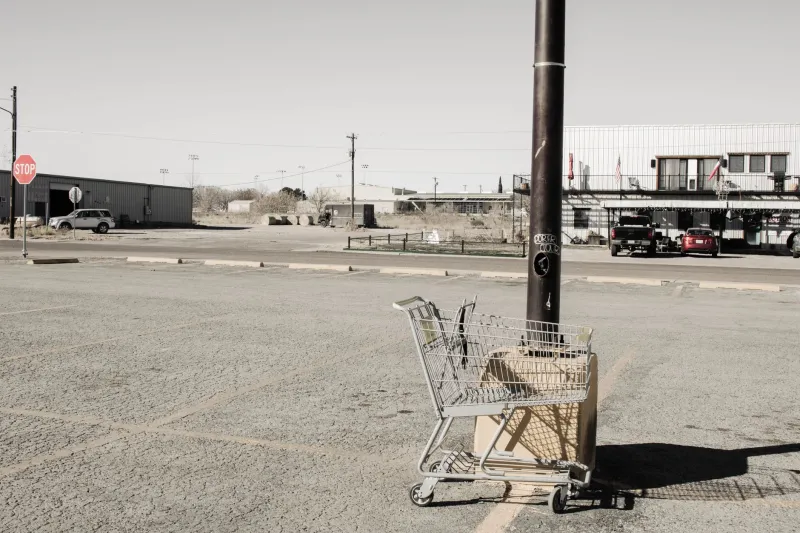
There's a shopping cart in a drainage ditch off Route 9 in New Jersey that hasn't moved in roughly four years. Someone knows this because they photographed it in 2020, again in 2022, and filed both images under a tag system that cross-references the cart's retail origin, its approximate abandonment date, and the contents still visible inside it: one reusable tote from a grocery chain that closed in 2019, a single foam pool noodle, and what appears to be a partially melted bag of rock salt.
That someone is part of a loose, largely online community that treats discarded shopping carts — not just the carts themselves, but what's in them — as legitimate historical artifacts. They call themselves different things depending on the corner of the internet you find them in. Cart documentarians. Parking lot archaeologists. A few just say they have a weird thing they do on weekends.
What a Cart Can Actually Tell You
The instinct to dismiss this as eccentric is understandable. But spend an hour talking to the people who do it and a different picture emerges. Shopping carts don't get abandoned randomly. They get abandoned at the end of something — a trip that went sideways, a financial decision made on the fly, a moment when carrying things became impossible. The contents are a freeze-frame.
One cataloger based in suburban Ohio has been photographing carts since 2017. Her database currently holds over 340 entries. "I started noticing that the carts near the payday loan places had different stuff in them than the ones near the big-box stores," she explained in a forum post that's been cited more than once in the community. "That felt like information."
And it is. Researchers who study food insecurity and consumer behavior have quietly pointed to exactly this kind of ground-level documentation as a supplement to data that official surveys miss. A cart found near a shelter with half-eaten packaged food and a child's shoe isn't just sad — it's specific evidence of a specific moment that no retail transaction record captures.
The Taxonomy Problem
One of the ongoing debates in the community is how to categorize what they find. Early adopters kept things simple: location, date, contents, condition. But as the practice spread, people started wanting more granular tags. Was the cart's origin store still open? What was the economic profile of the surrounding neighborhood at the time of estimated abandonment? Were the contents consistent with a single shopping trip or accumulated over time?
That last question turns out to be surprisingly answerable. Carts that sit long enough accumulate layers — stuff blown in, stuff dropped by passersby, stuff added deliberately by people using the cart as informal storage. Reading those layers is its own skill set, and a handful of people in the community have gotten genuinely good at it.
One guy in the Pacific Northwest — goes by the handle Flatbed46 on the forum most of these folks use — developed a rough methodology for dating contents based on product packaging changes. If a chip bag has a logo that was redesigned in 2021, the contents predate that redesign. Cross-reference with weather damage and rust progression on the cart itself and you can often pin abandonment to within a year or two.
The Retail Ghost Angle
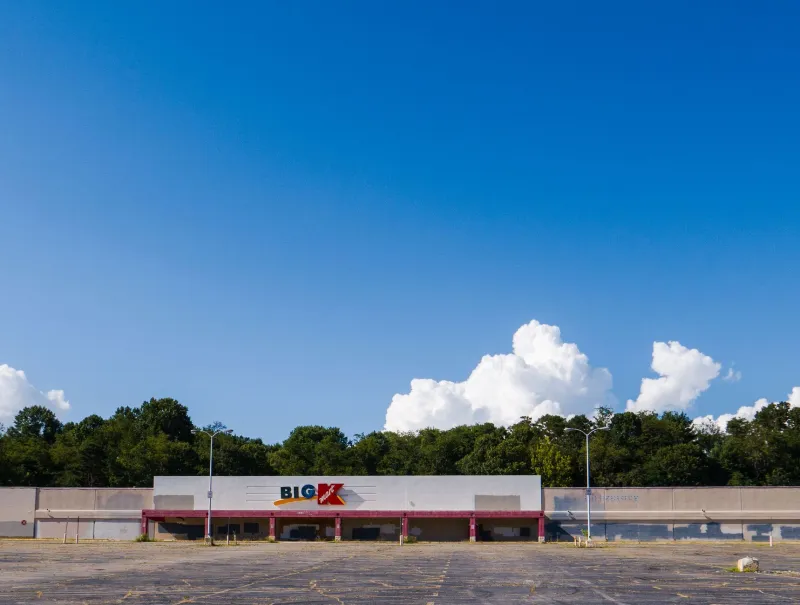
What gives the hobby an extra layer is the frequency with which the carts themselves are ghosts. Chains fold. Regional grocery stores vanish. The cart sitting in a creek bed with a faded logo might be the last physical remnant of a store that's now a mattress outlet. The community has a running list of identified "orphan carts" — carts from retailers that no longer exist, which means no one is coming to retrieve them and no corporate entity is logging their location.
Those orphan carts get special treatment. Extra photographs. Attempts to date the retailer's closure. Sometimes a bit of background research into why the chain folded in the first place. One particularly thorough entry documents a cart from a regional Southeastern grocery brand that went under in the late 1990s, found in rural Georgia in 2021. The contents were long gone, but the cart itself — specific wheel design, specific basket weave, specific logo placement — was enough to identify the manufacturer and approximate production year.
Nobody Asked Them To Do This
That's maybe the most SpotDW thing about all of it. There's no institution funding this. No university extension program, no grant, no nonprofit. These are people who noticed something that felt like it mattered and decided to treat it like it mattered, without waiting for anyone to officially agree.
The practical result is an archive that, whatever its quirks, documents something real. Consumer behavior at the margins. Retail geography. Economic stress made visible in foam noodles and rock salt and a reusable tote from a store that doesn't exist anymore.
The cart in New Jersey is still there, last anyone checked. Fourth year running. Someone will go photograph it again.