Twelve Seconds of Home: The Archivists Keeping Local Radio Jingles Alive
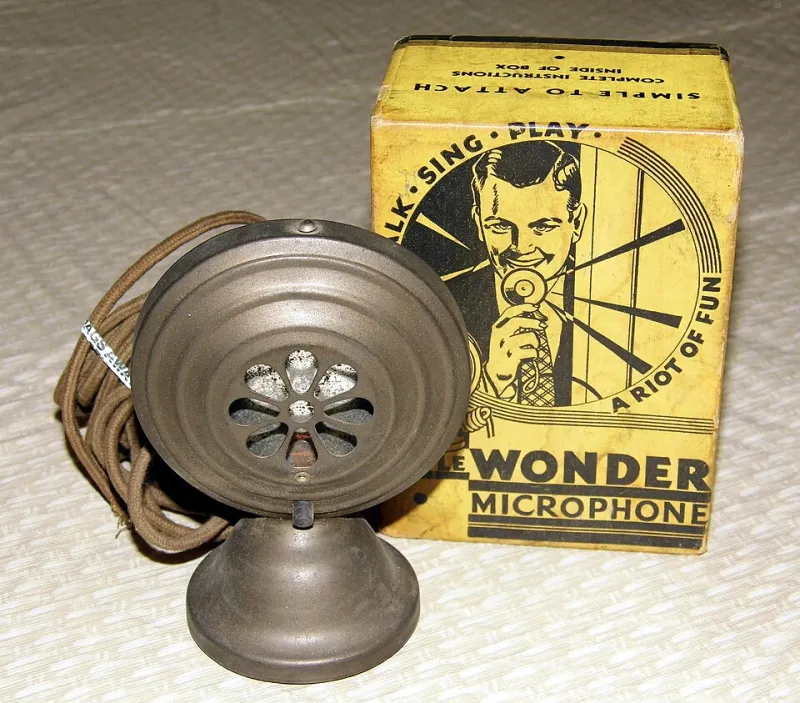
Photo: Joe Haupt from USA, CC BY-SA 2.0, via Wikimedia Commons
There is a particular kind of earworm that does not come from a chart-topping song. It comes from a local radio station at the top of the hour: a bright brass fanfare, a cluster of voices singing the call letters, and a line about the weather or the community calendar. It lasts maybe twelve seconds. If you grew up hearing it on the school bus, it may still be in your head forty years later, clearer than the lyrics to half the hits from that same decade.
That is the strange power of the local radio jingle. It was designed to be disposable, a piece of sonic branding stitched together for a small market and played until the tape wore out. Instead, it became a memory anchor. Now a loose network of radio hobbyists, former disc jockeys, and amateur archivists is trying to collect these jingles before the last AM transmitters go silent and the tapes in somebody's garage turn to dust.
The Aircheck Underground
The raw material is the aircheck—a recording of a station's actual broadcast, complete with DJ patter, commercials, newscasts, and the jingles in between. Hobbyists have traded airchecks on cassette and reel-to-reel since the 1970s. The internet turned a slow mail-order culture into a fast one. Forums and private groups now pass around MP3s of stations that signed off years ago. A single aircheck can contain a station's entire sonic identity: the morning show theme, the news bed, the traffic stinger, the jingle package that played every hour.
The best finds are not always the cleanest. A tape with a little hiss and a DJ talking over the intro can be more valuable than a pristine studio copy, because it proves how the jingle actually sounded on a car radio in a particular town on a particular day. Archivists have learned to listen past the noise. They note the date, the station, the slogan, the singer's accent, the brand of equipment that might explain the pitch wobble.
A Town in Four Bars
A jingle is a tiny piece of local history, but it is not only about the music. The lyrics often name the town, the state, the highway, the weather, the local high school. A package produced for a station in Peoria might mention the river. One for Bakersfield might lean into the heat. One for Scranton might name a landmark. The jingle was written to sound like the place, or at least like the place the station wanted to be.
The production companies behind these packages were not always local. National firms sold jingle packages to small stations, sometimes with customizable town names dropped in. A station could buy a sound that made it feel bigger than it was. Hobbyists now try to identify which package a station used, who sang the session, and which version of the lyrics ran in which year. It is a niche form of detective work, and it often depends on the memories of people who were in the studio.
Hunting the Session Singers
Some of the singers were never famous. They were session vocalists in Dallas, Los Angeles, or New York who recorded dozens of station IDs in a day. Their names are not on the label. Hobbyists track them down through union records, old trade magazines, and sheer persistence. A retired singer might remember a session because the arranger asked for a certain vowel sound or because the client wanted the town name pronounced a specific way. These details sound trivial until you realize they are the only surviving record of how a local station sounded to the people who lived there.
Former DJs are another resource. They remember which jingle was retired, which one was hated by the staff, which one got a rewrite after a slogan change. Their memories are imperfect, but they can confirm a tape's date or explain why a station switched from one package to another. The archivists are not trying to build a perfect catalog. They are trying to catch the stories before the people who lived them are gone.
When the Transmitter Goes Dark
The urgency is real. Small-market AM stations have been disappearing for years, and each sign-off takes a piece of local identity with it. The jingles often go first. When a station changes format or ownership, the old tapes get tossed. When a building is sold, the production library goes into a dumpster. Hobbyists have rescued reels from estate sales and storage units, but they cannot save everything.
What they can do is argue that a twelve-second jingle is worth keeping. It is not just nostalgia. It is a record of how a town heard itself. The jingle told listeners where they were and who was talking to them. It made a small station feel like a neighbor. When the transmitter goes dark, that sound does not have to vanish completely. It can live in a hard drive, a forum thread, or a stranger's memory, waiting for the next person who wants to hear the top of the hour one more time.