The Stub Doesn’t Lie: Inside the Crowdsourced Memory Bank of Torn Tickets
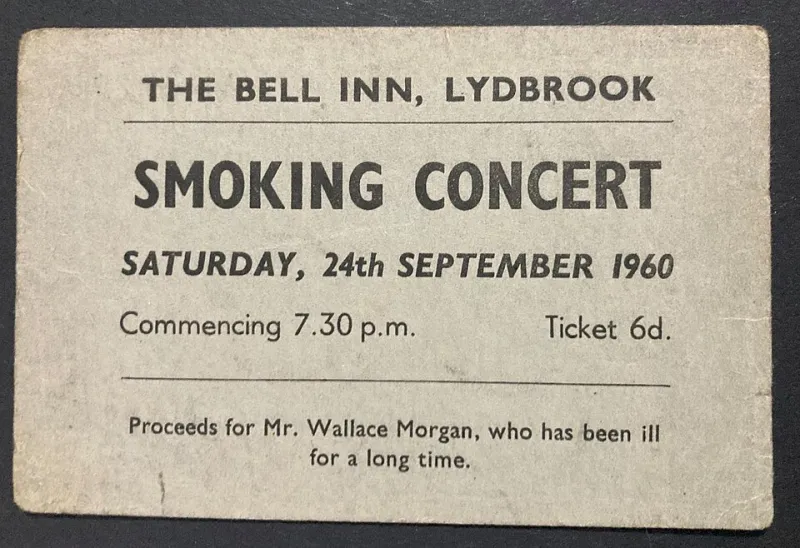
Photo: Mark Rodway, CC BY-SA 4.0, via Wikimedia Commons
Ticket stubs are the receipts of a good time. They are also terrible archives. They get folded, shoved into pockets, rained on, and lost in the bottom of a glove box. The ink fades. The paper yellows. The venue closes. The band breaks up. A small community of collectors is trying to stop that process by building a crowdsourced database of ticket stubs from concerts, movies, ballgames, and other events. The goal is not to hoard paper. The goal is to make the paper searchable.
The Paper Trail of a Good Night
A ticket stub is small enough to ignore and detailed enough to be useful. It can show the date, the venue, the section, the seat, the price, the tax, and the name of the promoter. It can show the printer, the ticket stock, and the design trends of a particular era. It can also show the thing that makes collectors light up: the venue that no longer exists. The ballpark that was torn down. The movie theater that became a pharmacy. The club that hosted a band before anyone knew who they were.
The database builders are not a single company or institution. They are a mix of collectors, sports fans, music nerds, and people who like organizing things. Some focus on a single venue. Some focus on a single band. Some focus on a single decade. They scan stubs at high resolution, enter the metadata, and cross-check the details against old ads, newspapers, and venue records. It is tedious work, and it is exactly the kind of work that makes a database useful.
What’s on the Back Matters
Most people look at the front of a ticket stub. Collectors look at the back. The back can have ads, coupons, maps, disclaimers, and printing codes. It can show which company printed the ticket and which venue sold it. It can show a date that does not match the event, which is a clue that the stub was reused or reprinted. It can show a price that seems impossible now, which is half the fun. The back is where the boring details live, and the boring details are often the most revealing.
Authentication is a constant issue. Paper tickets are easy to fake, and old tickets are easy to misdate. The database builders rely on scans, provenance, and community knowledge. If a stub looks wrong, someone will say so. If a venue name is misspelled, someone will fix it. The process is not perfect, but it is collaborative. It is also a reminder that archives are not just collections of objects. They are collections of arguments about what happened.
The Venue That Isn’t There Anymore
The most valuable stubs are often the least glamorous. A ticket from a defunct minor-league ballpark. A movie stub from a theater that closed in the 1980s. A concert ticket from a band that played one show in a town and then vanished. These stubs are evidence. They prove that something happened, even if the building is gone and the newspaper archive is incomplete. For local historians, they can fill in gaps that official records missed.
Collectors also use stubs to reconstruct seating charts, ticket prices, and event schedules. They compare stubs from the same venue across different years. They notice when the ticket design changed. They notice when the price jumped. They notice when a promoter started using a different printer. These small details add up to a shadow history of American leisure, told through the things people kept in their pockets.
A Database With a Smell
There is something tactile about this project that digital archives usually lack. A scanned ticket stub still carries the ghost of a perforation. You can see the tear. You can see the fold. You can see the faint ring from a cup. The database builders know they are preserving an object, not just an image. That is why they ask for high-resolution scans and detailed descriptions. They want the next person to understand not only what the ticket says, but what it was like to hold it.
As of 2026, the work is still growing. Some collections are online. Some are private. Some are waiting for a scanner and a free weekend. The volunteers know they will not find every stub. They know some events will always be undocumented. But they also know that every torn piece of paper is a small correction to the official record. It is a very SpotDW kind of project: quiet, granular, and built by people who care about the details nobody else noticed. The stub does not lie. It just needs someone to read it.