Cracking the Code on Dead Snacks: The Underground Labs Recreating Flavors That Disappeared Decades Ago
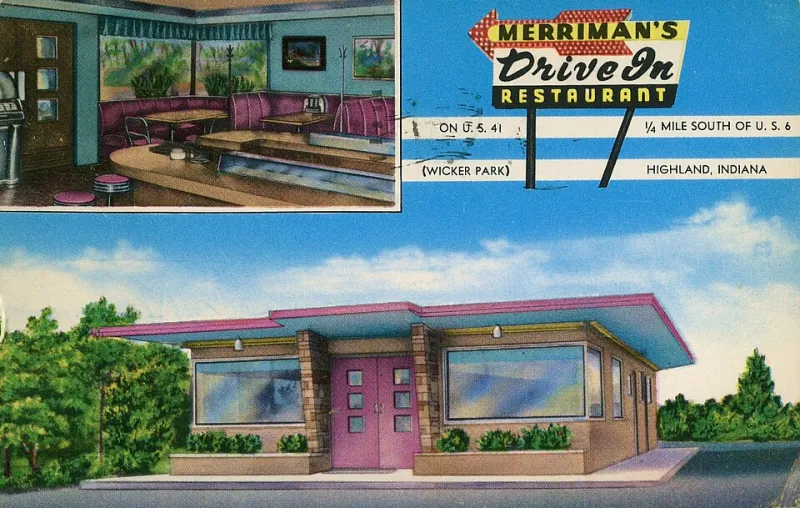
Photo: Steve Shook from Moscow, Idaho, USA, CC BY 2.0, via Wikimedia Commons
There's a particular kind of loss that doesn't get much airtime. It's not dramatic. Nobody sends flowers. But if you grew up eating a specific regional chip flavor that got quietly killed off in a corporate portfolio review circa 2003, you know the feeling. It's a small, specific grief — the kind that makes you stare at a snack aisle and feel vaguely cheated.
A scattered but surprisingly organized community of people has decided not to accept that loss. They're reverse-engineering discontinued snack foods through obsessive, methodical taste testing — and they are not messing around.
The Setup Looks More Like a Lab Than a Kitchen
The forums where this happens aren't easy to stumble into. Some are private Discord servers. Others live in corners of Reddit that don't show up in casual searches. A few operate as invitation-only mailing lists that have been running since the early 2010s, predating the current wave of nostalgia-bait food marketing by a good decade.
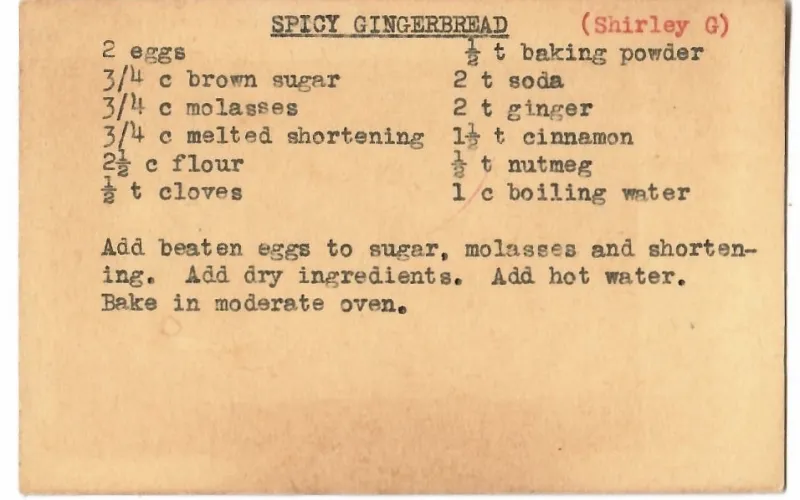
What these spaces share is a surprisingly rigorous methodology. Members don't just post "I miss Planters Cheez Balls" and call it a day. They run structured comparison tests. They document ingredient ratios in spreadsheets. They order samples of food-grade flavor compounds from specialty suppliers and test them in small batches, rating each iteration against a shared sensory vocabulary the group has developed over years.
One moderator of a private group focused on defunct Midwest regional snack brands — who asked to stay anonymous because, in his words, "I don't need my coworkers finding this" — described the process as closer to analytical chemistry than cooking. "We're not trying to make something that tastes good," he explained. "We're trying to make something that tastes correct. Those are really different goals."
Reverse Engineering Has a Paper Trail
The documentation these communities produce is genuinely impressive. Individual product threads can run thousands of posts deep, tracking every iteration of a recreation attempt. Members timestamp their tests, note the brand and lot number of every ingredient they use, and flag when a commercial supplier changes their formula — which apparently happens more often than most people realize and can throw off a recreation attempt that was otherwise close.
Some groups have developed what they call "anchor profiles" — detailed sensory breakdowns of the original product based on aggregated memory reports from dozens of members. The logic is that individual taste memory is unreliable, but patterns across a large enough sample group start to converge on something useful. It's not perfect science, but it's not nothing either.
Photographs of original packaging get pored over for clues. Ingredient lists from old print ads, when they can be found, are treated like primary sources. One group keeps a shared archive of scanned packaging from the '80s and '90s, some of it sourced from eBay lots of vintage grocery store ephemera.
The Former Food Scientists Who Show Up
Here's where it gets genuinely strange and kind of wonderful. Every so often, someone with actual professional knowledge finds their way into these communities.
It happens a few different ways. Sometimes a retired food scientist stumbles across a thread while googling a product they worked on. Sometimes a family member connects them. One moderator described getting a cold email from a woman whose late father had developed a regional barbecue chip flavor in the early 1980s — she'd found the group while researching her dad's career and wanted to share what she knew about his process.
"Those conversations are incredible," said one longtime member of a group focused on defunct candy bars. "These were people doing real industrial flavor chemistry. They remember things about the process that would never show up in any public record. And a lot of them are genuinely touched that anyone still cares."
Not every former industry professional is eager to participate. Some cite old NDAs. Others are just baffled by the whole enterprise. But the ones who do engage tend to become deeply invested, sometimes returning to threads months or years later with additional details they'd remembered.
Why It Matters (Or at Least Why It Matters to Them)
Ask anyone in these communities why they do this, and the answers tend to cluster around a few themes. Nostalgia is the obvious one — the desire to taste something that's tied to a specific memory or era. But there's also something more principled underneath it.
A lot of these people are genuinely bothered by how casually food products disappear. A snack that was a regional staple for 30 years, that was part of the texture of daily life for millions of people in a specific place, gets discontinued because a conglomerate acquired the brand and decided the margins weren't worth the shelf space. There's no archive. There's no record. The flavor just stops existing.
"Food is culture," said one member who focuses specifically on snacks from the mid-Atlantic region. "We preserve music, we preserve films, we try to preserve buildings. But the thing people ate every day after school? Nobody thinks that's worth saving. I disagree."
The recreations themselves are rarely perfect. Most members are upfront about that. Flavor chemistry is genuinely complex, and without access to the original industrial processes and proprietary compound blends, getting to a true 1:1 match is probably impossible. But the attempt itself — the documentation, the community, the shared obsession — is its own kind of preservation.
The Snack Is Almost Beside the Point
Spend enough time reading through these forums and you start to realize the food is almost secondary. What's actually being built is something closer to an oral history project, except the subject is flavor instead of events. The collective act of remembering, comparing notes, arguing about whether the original had more MSG or less vinegar — that process is doing something real.
It's also just extremely fun to watch from the outside. The level of passion people bring to a thread about a chip brand that stopped production in 1997 is genuinely infectious. These aren't people who stumbled into a hobby. They found something they care about in a way that most people never care about anything, and they built a whole infrastructure around it.
The snack might be gone. The community is very much alive.