Hunting Ghosts in Gutted Bowling Alleys: The Obsessive World of Arcade Cabinet Collectors
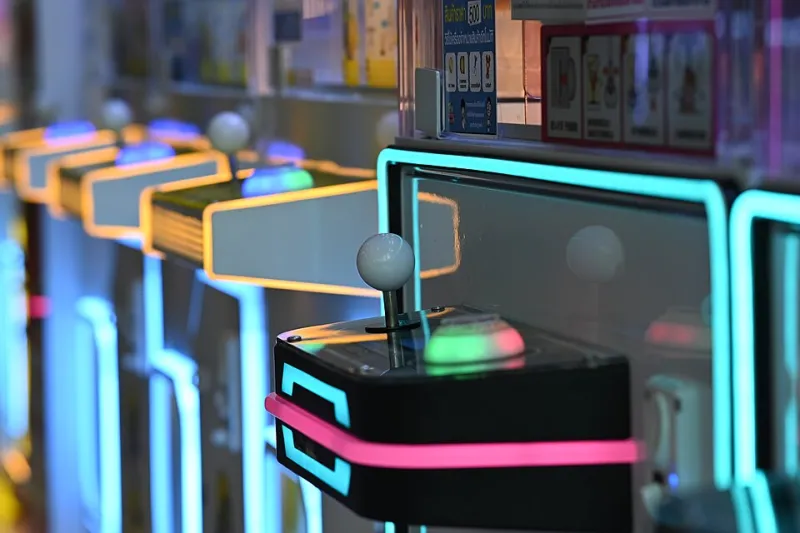
Photo: PattayaPatrol, CC BY-SA 4.0, via Wikimedia Commons
The bowling alley closed in 2019. The lanes got ripped out, the snack bar gutted, the carpeting — that specific shade of maroon that exists only in bowling alleys — rolled up and hauled away. But in a back room, stacked against a cinder block wall, someone left the arcade machines. A Centipede cabinet. A Street Fighter II cocktail table. A beat-up Ms. Pac-Man with a cracked bezel and a coin mechanism that hasn't worked since the Clinton administration.
To most people clearing out that building, those machines are junk. Heavy, awkward, electrically questionable junk. To a specific and quietly passionate corner of the internet, they're artifacts worth chasing across state lines.
The Machines Nobody Wanted Until Everyone Did
For a long stretch of the '90s and 2000s, original arcade cabinets were genuinely worthless. Operators dumped them. Venues threw them in dumpsters. A few ended up in garages and basements, mostly forgotten. Then something shifted. Nostalgia economics kicked in, retro gaming became a legitimate cultural identity, and suddenly those same machines people were giving away for free were selling for $800, $2,000, $6,000 — sometimes more, depending on the title and condition.
The machines that command the highest prices aren't always the most famous games. Collectors talk about rarity tiers the way wine people talk about vintages. A common Pac-Man cabinet in rough shape might move for a few hundred dollars. But a clean, original Donkey Kong with an unmodified board? A Dragon's Lair with working laserdisc? Those are different conversations entirely. The market has its own internal logic, and learning it takes years.
"People think it's just nostalgia," one collector who operates out of Ohio and asked not to be named explained in a forum post that's been widely shared in the community. "It's not just nostalgia. It's about what's actually left. These things got destroyed. The ones that survived are surviving by accident."
The Detective Work of Finding Them
This is where the hobby gets genuinely interesting — and a little obsessive. Finding good cabinets isn't like browsing eBay. The best machines rarely make it to public listings. They surface through networks, tips, and what collectors describe as "location scouting" that borders on investigative journalism.
The process often starts with a list. Collectors maintain running inventories of closed entertainment venues — bowling alleys, skating rinks, movie theater lobbies, family fun centers, pizza chains with game rooms — cross-referenced by region and approximate closure date. When a venue shuts down, the clock starts. Machines need to be located before a property gets cleared, sold, or demolished.
Some collectors drive routes through their regions specifically looking for shuttered venues. Others rely on local contacts — estate sale operators, commercial real estate agents, demolition contractors — who know to make a call when they find a room full of old machines. A few have cultivated relationships with municipal surplus offices in cities that occasionally inherit machines from seized or abandoned properties.
The intel flows through private channels. Discord servers with membership requirements. Facebook groups that require approval and occasionally purge inactive members. Forum threads where the most valuable information gets shared in DMs, not public posts. There's a functional economy of information here, and access is earned slowly.
What "Restore" Actually Means
Buying a machine is usually just the beginning. Most cabinets that emerge from storage have problems: dead monitors, corrupted boards, water damage, missing parts, hack jobs done by previous operators who needed a quick fix and didn't care about originality. Restoration is skilled work, and the community has strong opinions about how it should be done.
The debate over "authenticity" runs deep. Purists insist on original components — original PCBs, original control panels, original artwork reproductions sourced from the right vendors. Others are more pragmatic, accepting modern LCD replacements for burned-out CRTs or reproduction marquees when originals can't be found. The two camps coexist tensely, and the distinction matters significantly when it comes to resale value.
Parts sourcing is its own subculture. Original monitor chassis, specific capacitor kits, reproduction artwork printed on the correct materials — there's an entire supply chain built around keeping these machines functional. Some of the vendors operating in this space are one-person operations running out of spare rooms, filling orders for components that haven't been manufactured in thirty years.
The Money Side of Things
Prices in this market are genuinely volatile and surprisingly high for the uninitiated. A fully restored, original Asteroids upright cabinet can move for $1,500 to $2,500. A pristine Mortal Kombat II in working condition regularly clears $2,000. Certain holy grail titles — Tempest, Quantum, Zaxxon in exceptional condition — can hit five figures among serious buyers.
The transactions themselves are complicated by the sheer physical reality of what's being sold. These machines weigh 200 to 400 pounds. Shipping is brutal and expensive. Most serious trades happen locally or involve rented trucks and long drives. There's an entire logistics layer to this hobby that casual observers don't see: the negotiation over who handles transport, the careful wrapping and padding, the anxiety of a machine surviving a six-hour drive.
Scams exist, as they do in any market with high-value goods and limited documentation. Machines get misrepresented. Photos get taken from flattering angles. Boards get swapped between listing and sale. The community has developed its own vetting culture — reputation systems, trusted intermediaries, the social capital of being known and vouched for in the right circles.
Why This Matters (To Them, Anyway)
Ask collectors why they do this and you get answers that range from pure nostalgia to something that sounds almost like preservation advocacy. These machines are physical records of a specific era of American entertainment culture — the era when the local bowling alley or pizza place had a corner of machines that functioned as a kind of informal public space for kids. That world is largely gone. The machines that survive it are the last tangible evidence it existed.
There's something quietly compelling about a community that assigns that kind of significance to objects most people walked past without a second thought. The bowling alley closed. The carpet got rolled up. But somebody drove three hours to rescue the Ms. Pac-Man cabinet before the building got cleared, and now it's in a basement in Cincinnati, fully restored, quarters still working.
That's the part that doesn't show up in the listings.