Ghost Sauces: The Obsessives Reverse-Engineering Fast Food Condiments That Vanished Before the Internet Could Save Them
Photo: Unknown (commercial matchbox manufacturer), Public domain, via Wikimedia Commons
There's a sealed packet of McDonald's McSpaghetti sauce sitting in a temperature-controlled storage unit in suburban Ohio. It's from 1993. The guy who owns it won't say what he paid for it, but he will say it wasn't cheap, and that he has no intention of opening it. Not yet. Not until he's confident the reverse-engineered version he's been working on for the better part of eight months is close enough to justify the comparison.
This is the world of ghost sauces — and it is, against all reasonable expectations, a serious one.
What Even Is a Ghost Sauce?
The term gets thrown around loosely in the community, but the working definition is pretty consistent: any condiment, dipping sauce, dressing, or proprietary spread that was served exclusively at a restaurant chain and has since been discontinued with no commercial successor. Not a sauce that got reformulated. Not something that went regional. Gone gone.
Think McDonald's Szechuan Sauce before the Rick and Morty revival turned it into a PR stunt. Think Burger King's old Bull's-Eye BBQ blend from the mid-80s, which long-timers insist bore zero resemblance to the bottled version that eventually hit grocery shelves. Think the honey mustard Hardee's used to serve in the South before a regional menu overhaul quietly killed it sometime around 1997. These are the artifacts the community chases.
The people doing the chasing are a genuinely eclectic mix — retired food-industry workers, culinary school dropouts, competitive home cooks, and at least a few people with actual chemistry backgrounds who got into this through a Reddit thread and never fully left.
The Supply Chain for Something That Doesn't Exist
Finding an original sample to work from is the first problem, and it's a real one. Sealed sauce packets, if stored correctly, can remain chemically stable for years — sometimes decades — which means the collector market for original old stock is more active than you'd expect.
Flea markets and estate sales are the obvious starting points, but serious hunters have gotten more creative. Former restaurant employees get approached with surprising regularity. One member of a private forum dedicated to regional burger chain condiments — she goes by a username that translates loosely to "flavor archaeologist" — described spending six months tracking down a former regional manager of a now-defunct Southeastern chain called Krystal's competitor that operated briefly in the early 90s. The guy had a sealed case of proprietary ranch packets in his garage. He thought she was insane. She bought the whole case.
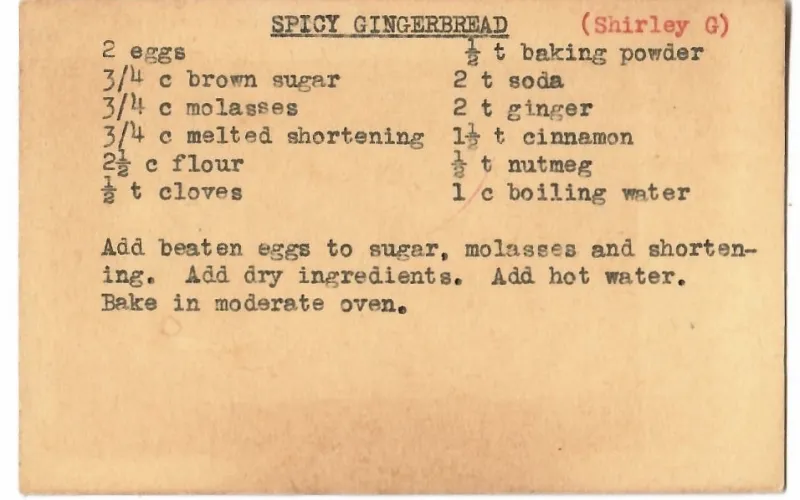
When original samples aren't available, the community turns to what they call "memory sourcing" — a semi-formalized process of cross-referencing firsthand accounts from people who worked in the kitchens. Old recipe cards occasionally surface. Former line cooks, it turns out, remember more than you'd think when you ask the right questions.
The Science Part Is Actually Science
Once someone has a working sample — or a strong enough composite memory from multiple sources — the reconstruction process begins. And this is where the hobby gets genuinely technical.
Basic flavor profiling can be done at home with some experience and a decent palate. But the more serious practitioners are running thin-layer chromatography on their samples, analyzing emulsification ratios, and sourcing commercial-grade flavor compounds from food science suppliers. There are members of these communities who hold food science degrees and treat a discontinued regional taco sauce with the same methodological rigor they'd apply to anything else in a professional lab setting.
The debate over what counts as a "successful" recreation is ongoing and occasionally heated. Purists argue that if the mouthfeel is off, the whole project is a failure regardless of how close the flavor profile gets. Others take a more practical stance — if someone who ate the original regularly can't tell the difference in a blind test, you're done. The blind test is the gold standard, and arranging one requires finding people old enough to remember the sauce clearly, which introduces its own complications.
Private Forums and the Etiquette of Sharing
The community operates mostly in private — Discord servers with application processes, invite-only subreddits, old-school forum boards that look like they haven't been redesigned since 2004 (some of them genuinely haven't). The secrecy isn't really about protecting intellectual property, since none of this is commercially viable anyway. It's more about keeping the signal-to-noise ratio manageable. Open communities attract trolls and people who show up to post "just use Heinz 57" and disappear.
When someone successfully recreates a sauce, sharing the recipe is expected — it's basically a social contract. What's not expected is sharing it outside the group without credit, which is treated as a serious breach. The community has its own informal reputation economy, and people who violate attribution norms get frozen out fast.
Physical trading also happens. Sealed original packets change hands. Small-batch recreations get mailed in properly sealed containers with detailed notes about ingredients and methodology. There's no money involved, usually — it runs more like a gift economy, where the currency is access and expertise.
Why Bother?
It's the obvious question, and the answers vary more than you'd think.
For some people, it's straightforwardly about nostalgia — a specific sauce is tied to a specific memory, a specific version of a place or a person, and getting close to it again feels meaningful in a way that's hard to articulate but easy to understand. Food memory is powerful and weirdly precise. People can remember exactly what a dipping sauce tasted like at a restaurant they visited once in 1988 with a parent who's now gone. Reconstructing the sauce is a way of reconstructing something else.
For others, it's the puzzle. The intellectual satisfaction of working backward from a sensory experience to a reproducible formula is genuinely compelling if that's how your brain works. Several people in these communities describe it as the most engaging problem-solving they do.
And for a smaller subset, it's preservation — a genuine belief that these flavors are cultural artifacts worth documenting before the last person who remembers them firsthand is gone. Which sounds dramatic until you consider that we've already lost the ability to accurately reconstruct hundreds of them, and the window is closing.
The Sauce Nobody Can Crack
Every community has its white whale, and this one is no different. Ask around long enough and a few names keep coming up — sauces that have resisted reconstruction despite years of attempts by multiple people with serious credentials.
The most frequently cited is a proprietary fry sauce that a regional Pacific Northwest burger chain served for roughly a decade before closing all its locations in the early 90s. Multiple people remember it with unusual specificity and unusual consistency, which suggests the memory is accurate. But the flavor profile they describe doesn't match any known commercial combination, and no original samples have ever surfaced. Some members think a former employee might still have the recipe written down somewhere. Others have started to suspect the memory itself has been distorted over time into something that never quite existed.
Either way, the search continues. That's sort of the whole point.